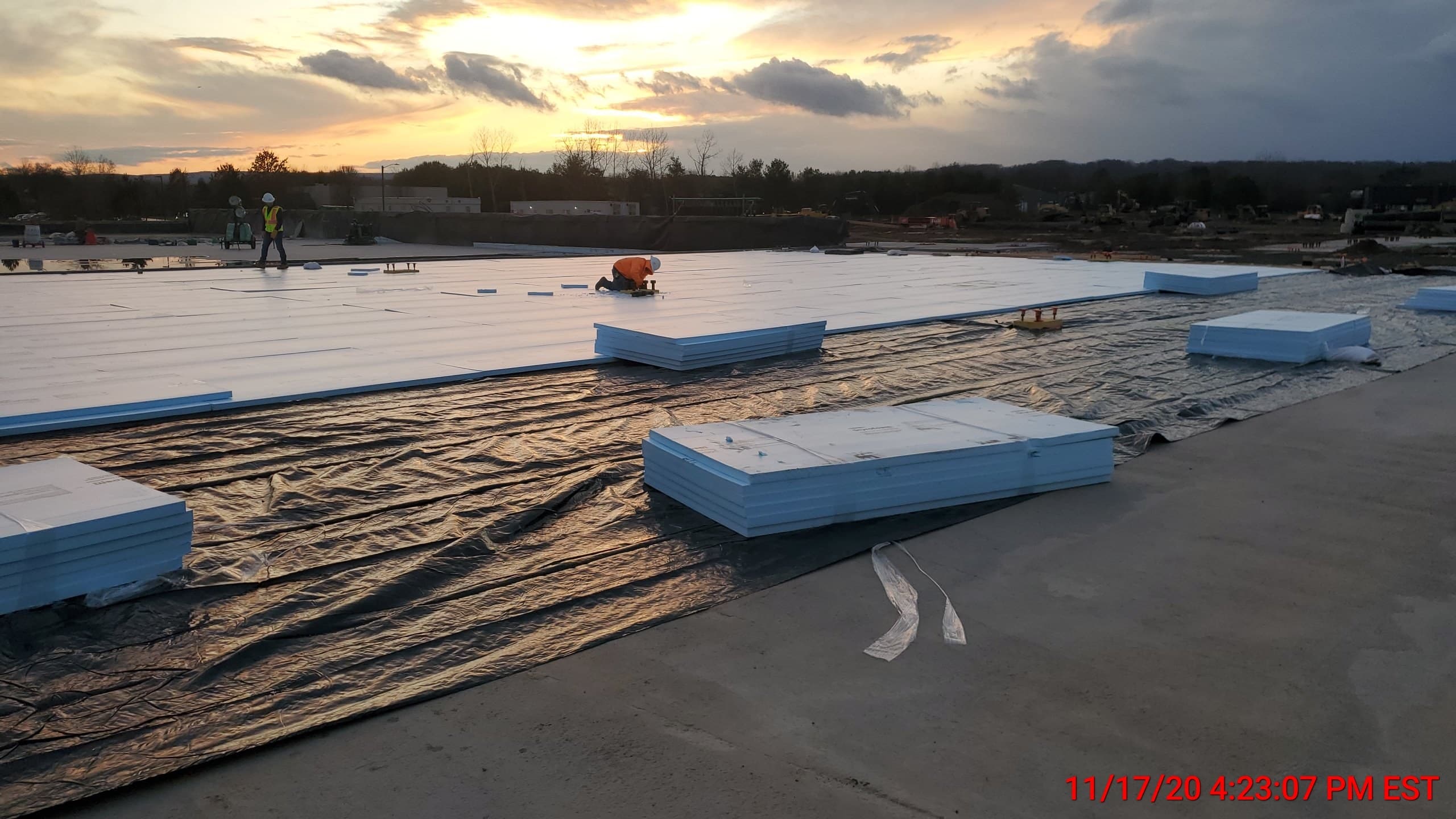
Understanding the Process
The building envelope is usually bid late, after the structure and the roof are set. By then the transitions between those systems are already drawn, and the team installing them inherits whatever the drawings say.
That sequence works when the details are ordinary. On a temperature-controlled facility they rarely are: a cold dock, a rail penetration or a convertible freezer room changes what a joint has to do, and the drawing may not know it yet.
Common Owner & GC Concerns
The concern we hear most is cost. Adding a specialty contractor during design development looks like a new line item. In practice it moves spend out of change orders, where it is unplanned, and into preconstruction.
The second is schedule. Design assist is often assumed to slow the drawing set down. What it usually does is shorten the RFI cycle later, because the questions a field crew would have asked in month nine get asked in month two.
An early envelope review looks at:
- Thermal continuity at every transition between wall, roof, floor and adjoining systems.
- Vapor control at joints, penetrations and openings that get used every day.
- Material lead times and delivery sequencing checked against the schedule.
- Constructability of details that read cleanly on paper but not in the field.
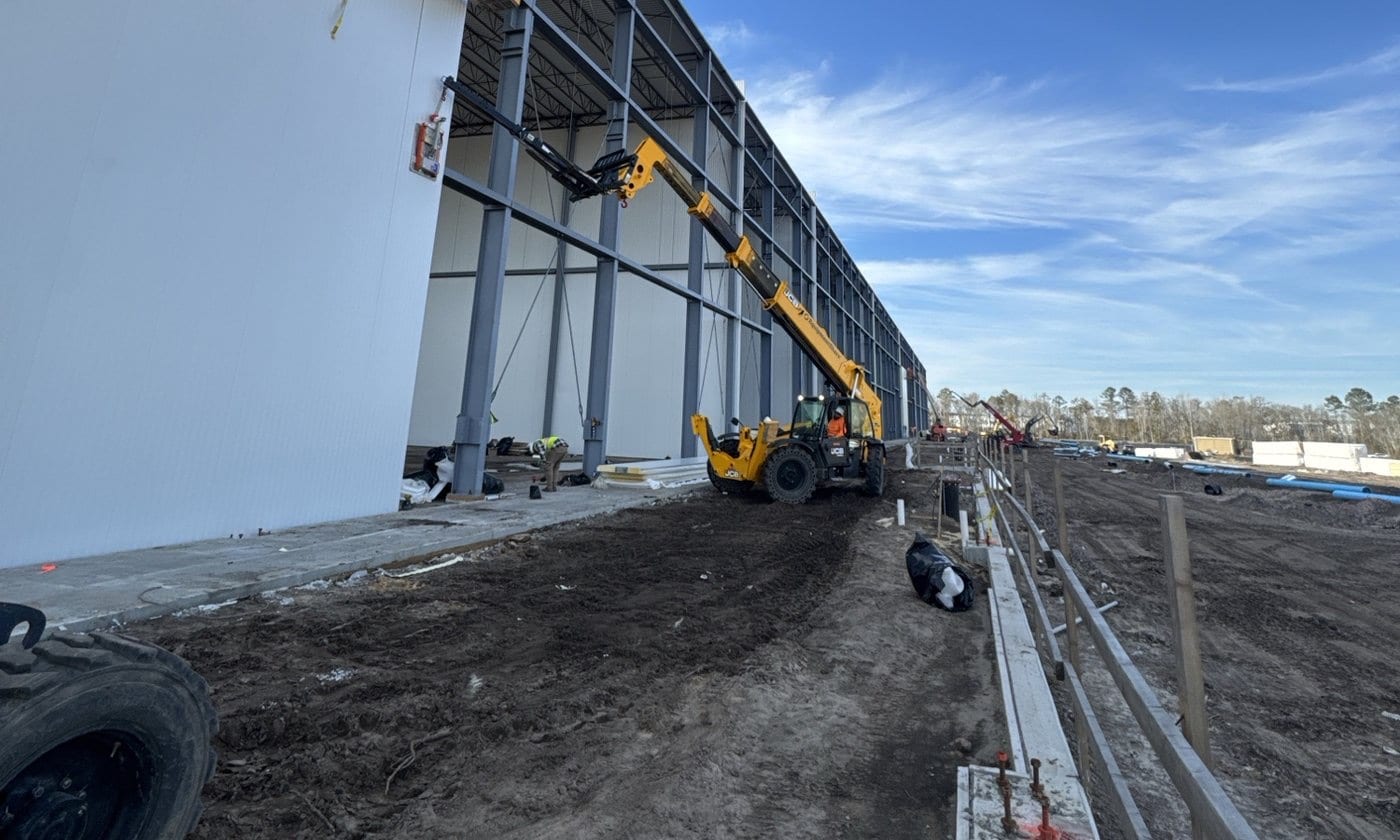
How Envelar Resolves This
None of this requires a contract in design development. A review of the envelope details, an honest read on lead times and a conversation about sequencing will surface most of what would otherwise arrive as an RFI.
The projects that go well are rarely the ones with the simplest details. They are the ones where the people installing the details saw them early enough to say something, and where somebody was still able to act on it.